

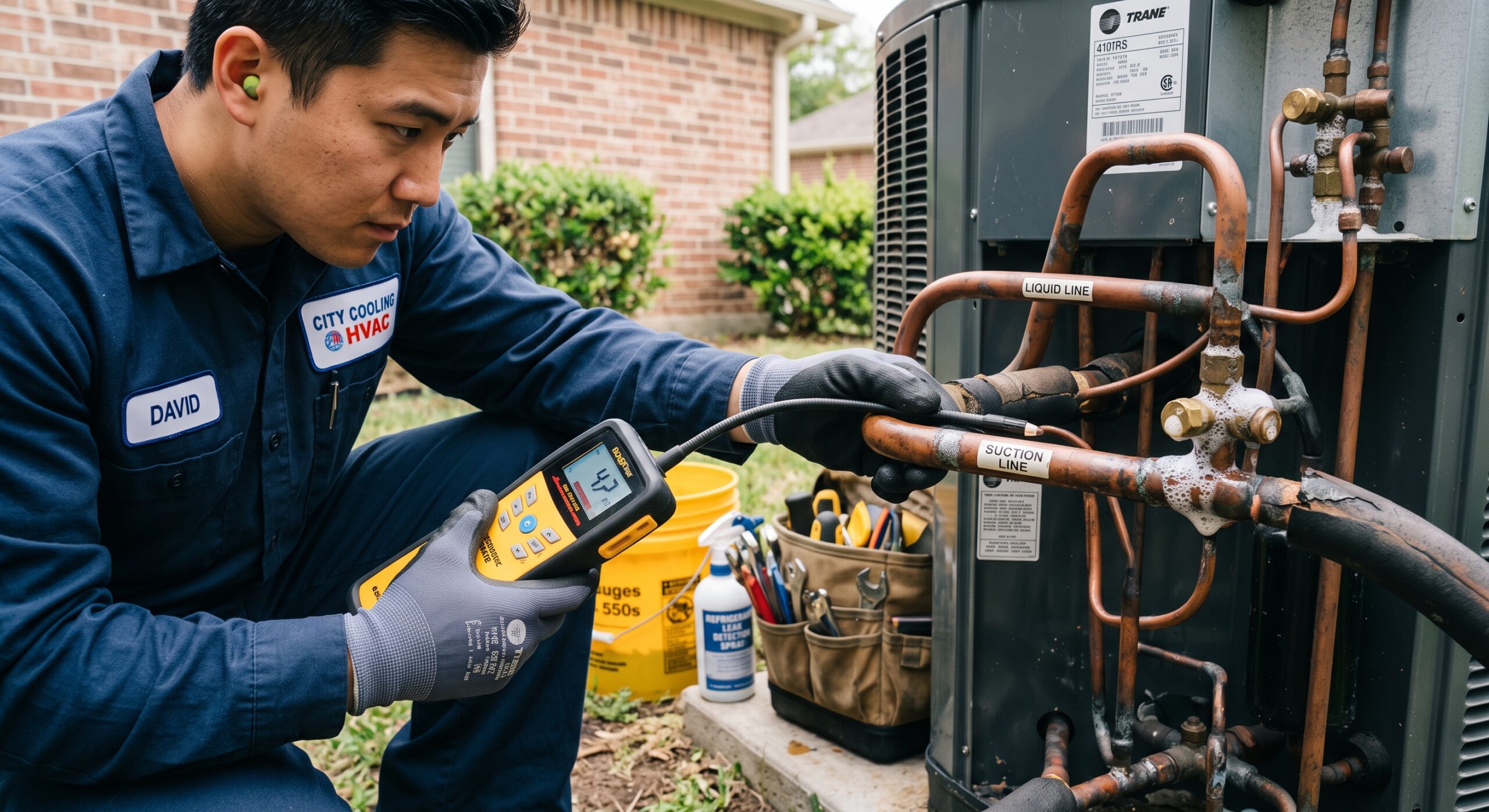
Buying the right air conditioner is just one part of creating a comfortable and energy-efficient home. Even a high-quality unit may not perform properly if it’s installed incorrectly.
Proper air conditioner installation affects everything from cooling performance and electricity consumption to system reliability and long-term maintenance. Incorrect piping, poor drainage, unsuitable unit placement or electrical issues can all lead to problems that might cost a pretty penny to repair later. For homeowners, choosing professional air conditioner installation is an important step towards ensuring that your new system is properly installed and ready to perform efficiently.
Why Is Proper Air Conditioner Installation Important?
An air conditioner works as a complete system. Its different components must work together properly for it to function correctly.Poor air conditioner installation can result in:
Professional installation helps ensure that each part of the system is installed according to the manufacturer’s requirements and the conditions of the space.
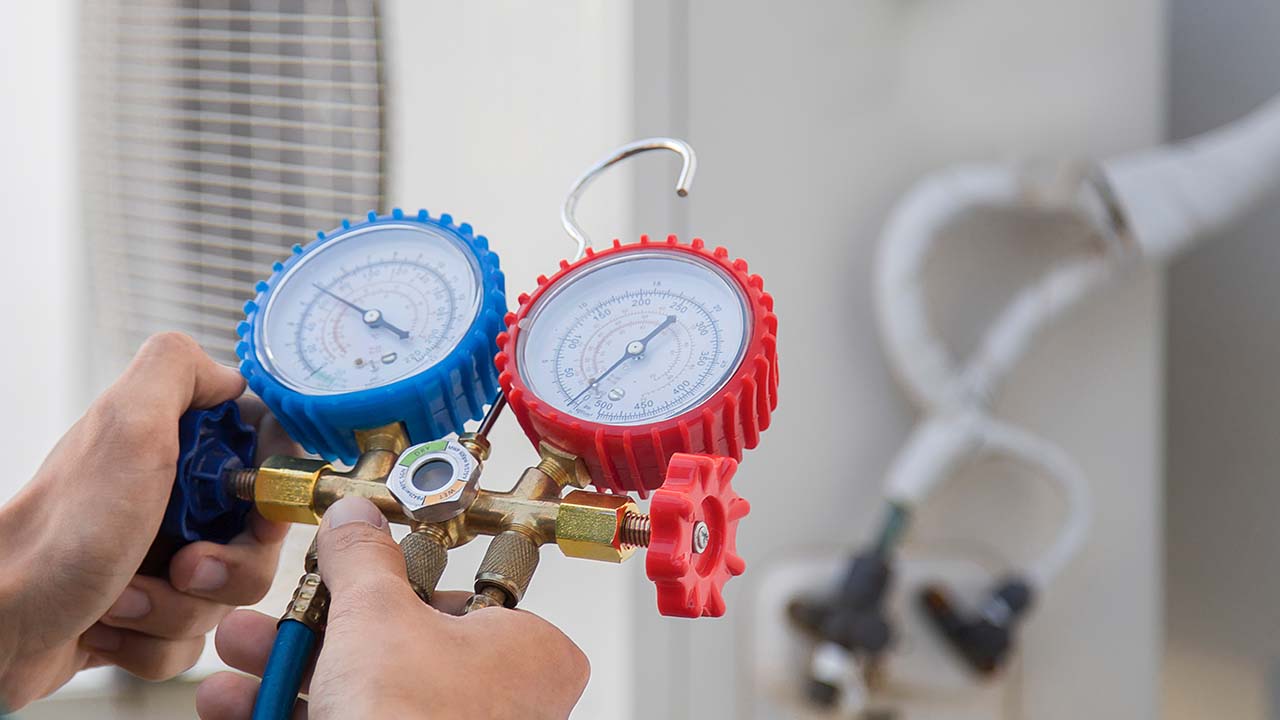
Proper Refrigerant Charging Supports Cooling Performance
Refrigerant plays an important role in the cooling process. The correct refrigerant charge allows the system to absorb heat from inside the room and release it outside. If there is too little refrigerant, your air conditioner may not be able to cool properly. Refrigerant issues can also cause your system to work harder than necessary and affect its overall efficiency.
Professional installers use the appropriate procedures to ensure the refrigerant system is properly installed and checked. This includes ensuring that the piping is correctly connected and that any potential leaks are identified before the system is put into operation.
For homeowners buying a new air conditioner, this is one reason why professional air conditioner installation is more than simply mounting an indoor unit on a wall.
Correct Pipe Sizing Makes a Difference
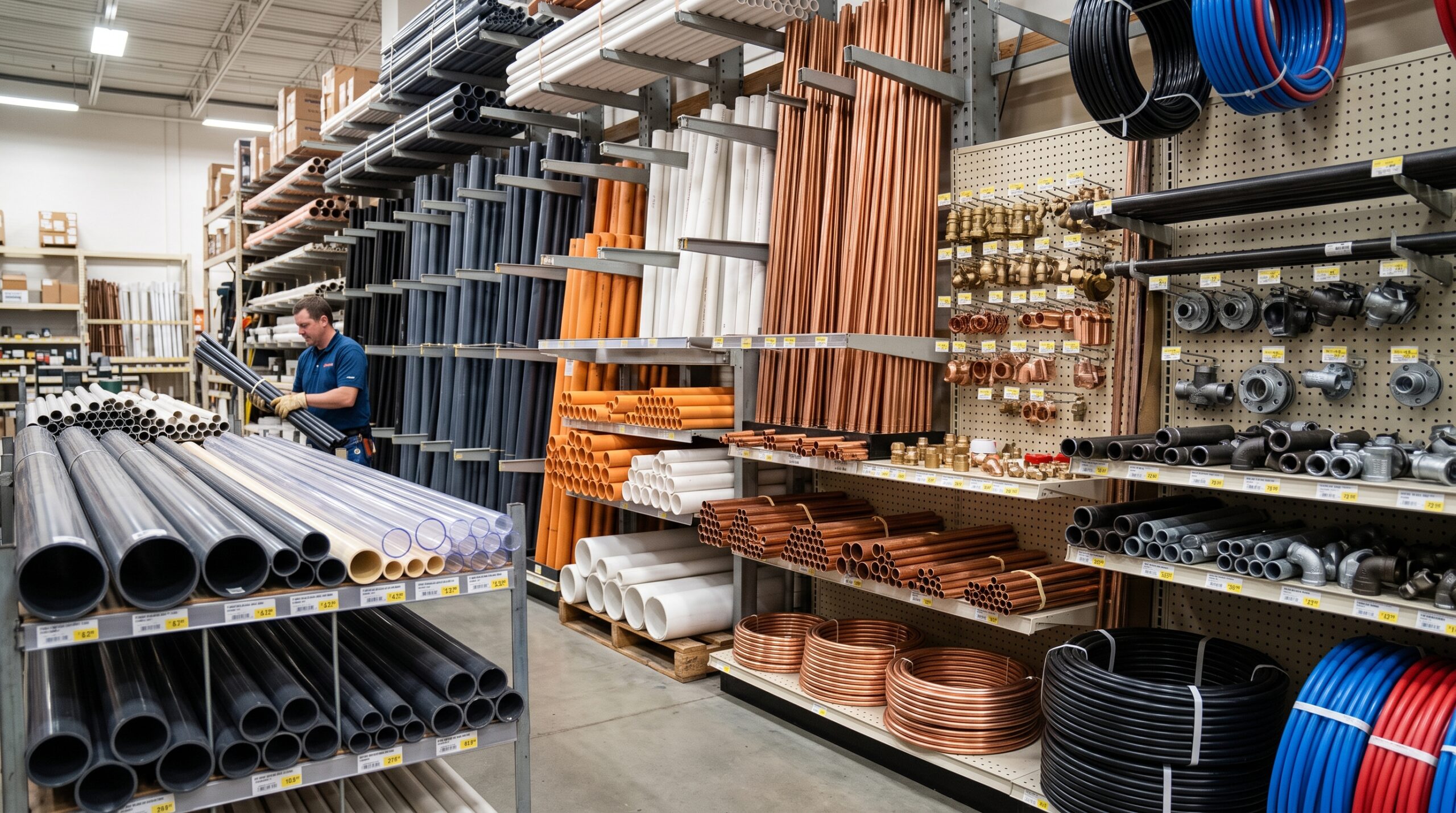
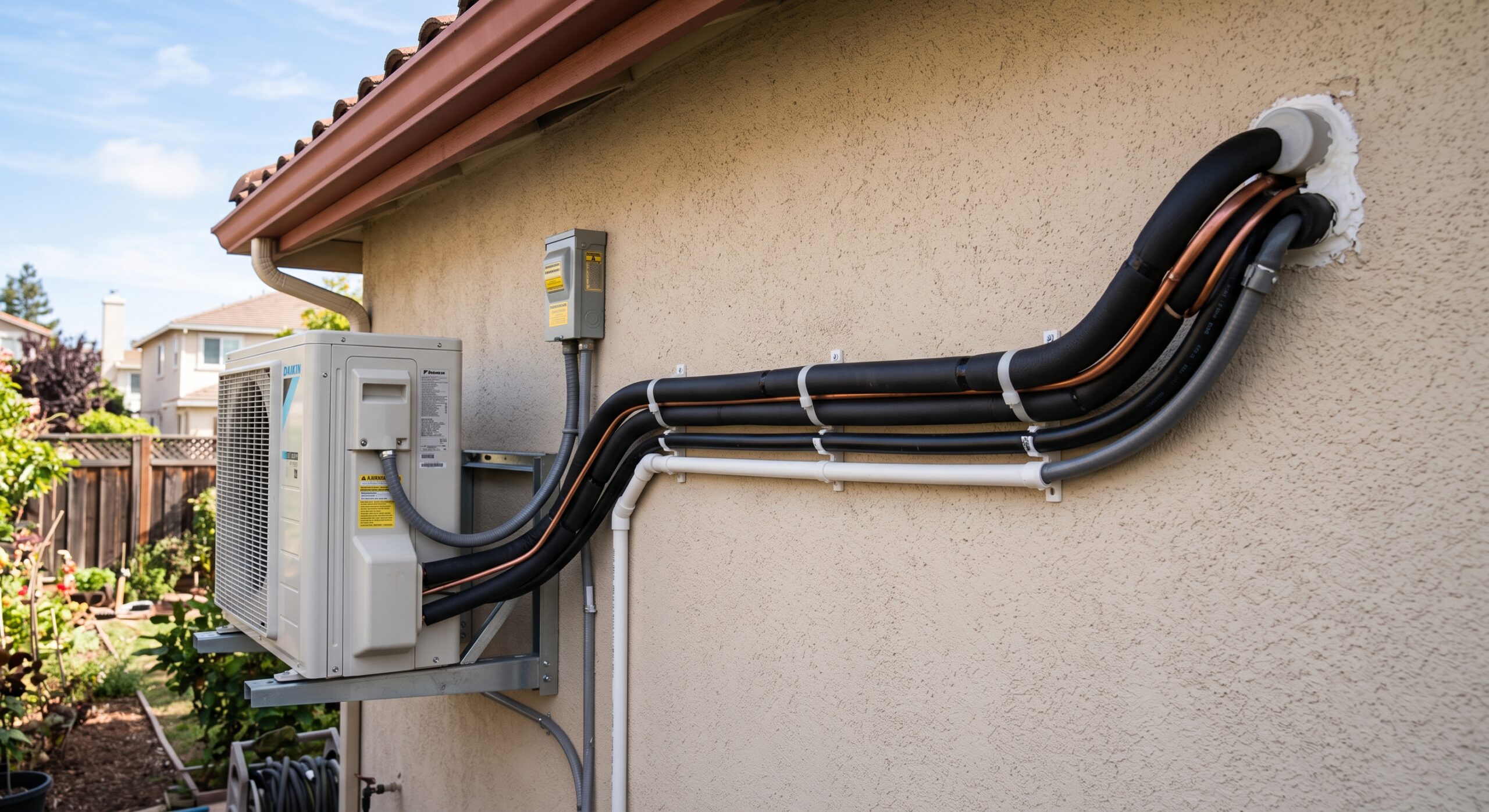
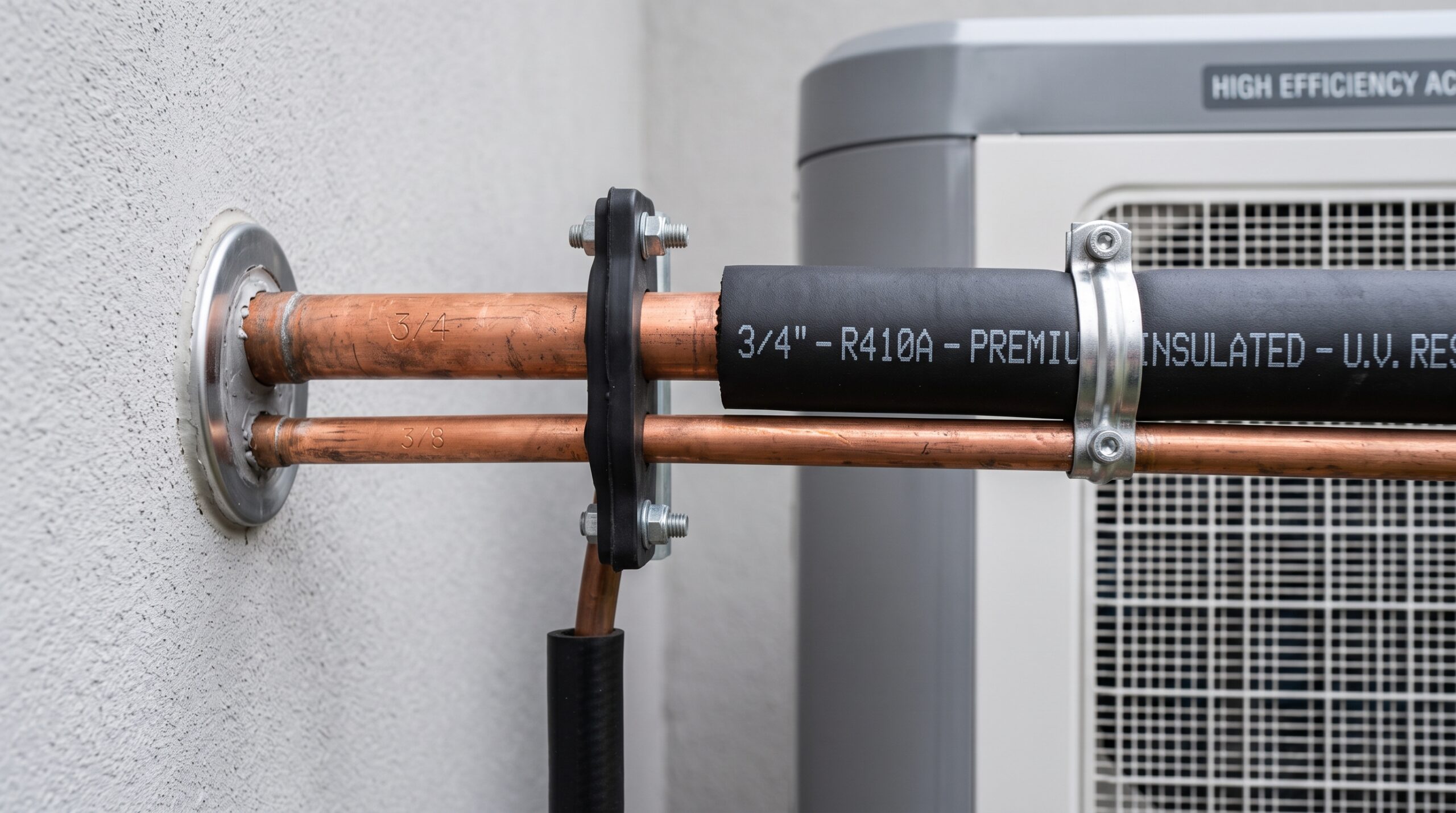
The copper pipes connecting the indoor and outdoor units are an important part of the air conditioning system. Pipe sizing must be suitable for the specific air conditioner and installation requirements. Pipes that are incorrectly sized or installed can affect refrigerant flow and potentially reduce your system’s performance. The length and routing of the piping also need to be considered. Excessively long or poorly installed pipe runs may reduce efficiency and complicate future servicing. A professional installer will consider the manufacturer’s specifications and the property’s layout when planning the installation.
Proper Drainage Helps Prevent Water Leakage
Water leakage is one of the most common air conditioning problems homeowners may encounter. As an air conditioner cools the room, moisture in the air condenses and must be safely removed through the drainage system.
A leak can happen if the drainage pipe is incorrectly installed, blocked or positioned without sufficient slope, preventing water from draining properly. This can cause water to drip from the indoor unit or leak into walls and ceilings. Proper air conditioner installation includes ensuring that the drainage system is correctly routed and positioned to allow water to flow effectively.
Electrical Safety Should Never Be Overlooked
Air conditioners are powerful electrical appliances that require safe and appropriate electrical connections. Incorrect wiring or an unsuitable electrical installation can pose serious safety risks and may also affect the system’s reliability. Professional installation helps ensure that electrical connections are properly made and that the system is connected in accordance with the relevant requirements.

Indoor Unit Placement Affects Airflow
Where you install the indoor unit can affect how effectively cool air is distributed throughout the room. Your unit should be positioned where airflow can circulate effectively without being blocked by furniture, walls or other obstructions. Other factors, such as direct sunlight, heat sources and the shape of the room, can also affect the cooling load. For example, installing an indoor unit directly above a major heat-producing appliance could cause your system to work harder than necessary.
Outdoor Unit Placement Is Just as Important
The outdoor condenser unit releases the heat removed from your home. This is why it needs sufficient airflow around it. Installing an outdoor unit in a cramped or poorly ventilated area can make it harder for the system to release heat efficiently. The unit should also be positioned where it can be safely accessed for future maintenance and servicing. While outdoor units are designed to operate outdoors, they shouldn’t be surrounded by unnecessary obstructions, such as storage items, plants or structures that block airflow. Proper placement helps your system operate more effectively, particularly in Malaysia’s hot and humid weather.
Installation Can Affect Air Conditioner Efficiency
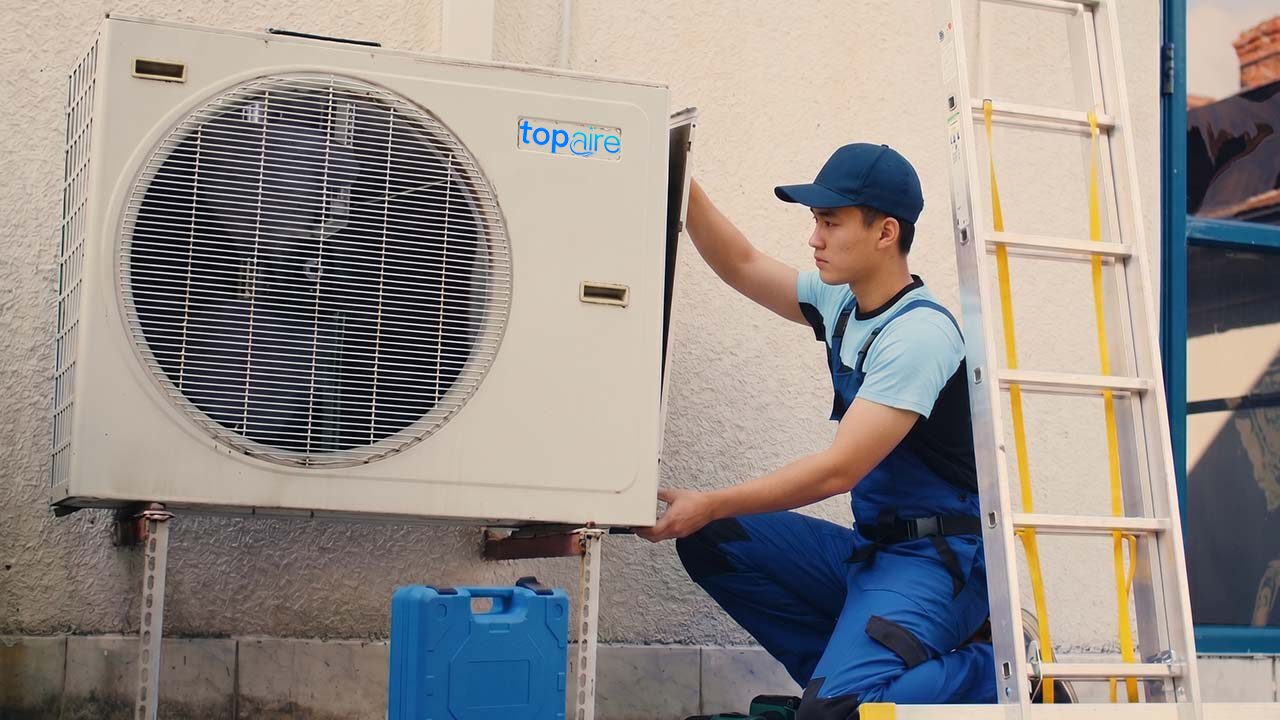
A properly selected energy-efficient air conditioner may not deliver its full potential if the installation is poor.
💡 Worth knowing
Refrigerant leaks, poor airflow, incorrect piping or drainage issues can force a system to work harder to achieve the desired temperature. This can affect air conditioner efficiency and potentially increase electricity consumption.
A professional installation specialist will help ensure that the system is set up to operate according to its intended specifications.
Professional Installation Can Protect Your Warranty
Many manufacturers have specific installation and servicing requirements that homeowners should follow. Using a qualified installer and following the manufacturer’s installation guidelines can help ensure your system is installed correctly. Before arranging an installation, it’s worth checking:
Keeping installation and servicing records can also be useful for future maintenance and warranty purposes.
Professional Installation vs Poor Installation
| Professional Air Conditioner Installation | Poor or Improper Installation |
|---|---|
| ✅ Correct refrigerant procedures | ⚠️ Potential cooling and efficiency issues |
| ✅ Suitable pipe sizing and routing | ⚠️ Poor refrigerant flow or installation problems |
| ✅ Proper drainage | ⚠️ Increased risk of water leakage |
| ✅ Safe electrical connections | ⚠️ Potential electrical safety concerns |
| ✅ Optimised unit placement | ⚠️ Poor airflow and uneven cooling |
| ✅ Easier future servicing | ⚠️ Difficult access for maintenance |
| ✅ Follows manufacturer’s requirements | ⚠️ Potential warranty complications |
On mobile, swipe left or right within the table to view all columns.
Choosing the Right Air Conditioner Installer in Malaysia
When looking for air conditioner installation in Malaysia, price should not be the only consideration. Before choosing an installer, consider asking about:
A proper installation should also include testing the system to ensure that it is cooling correctly and operating as expected before the work is completed.